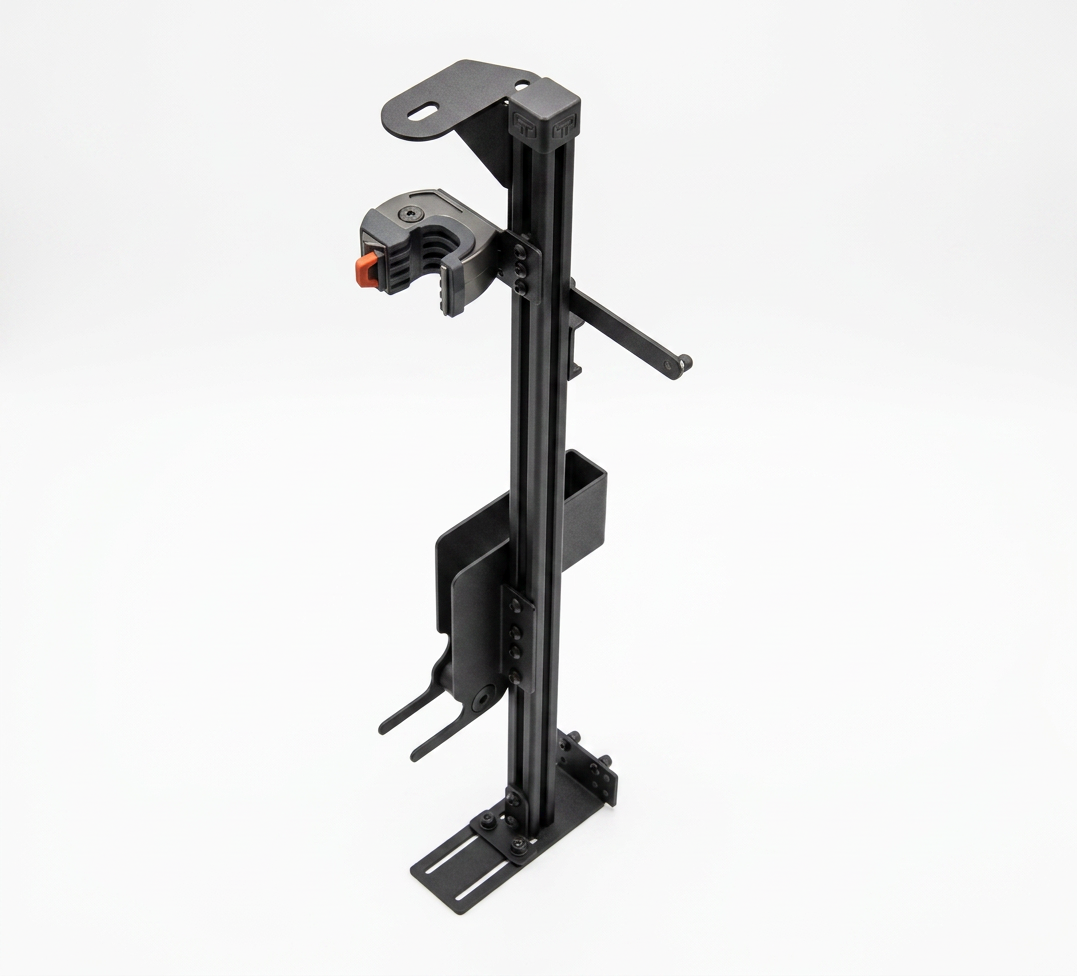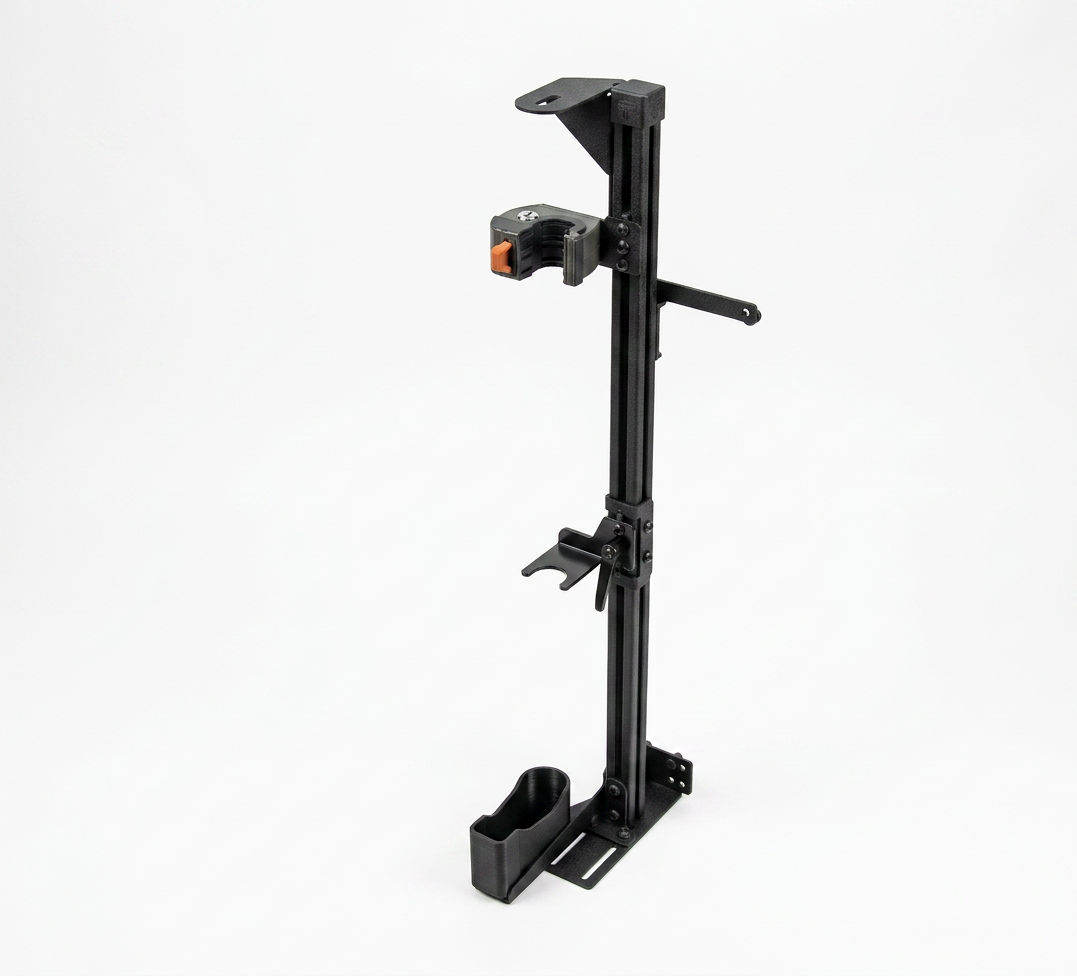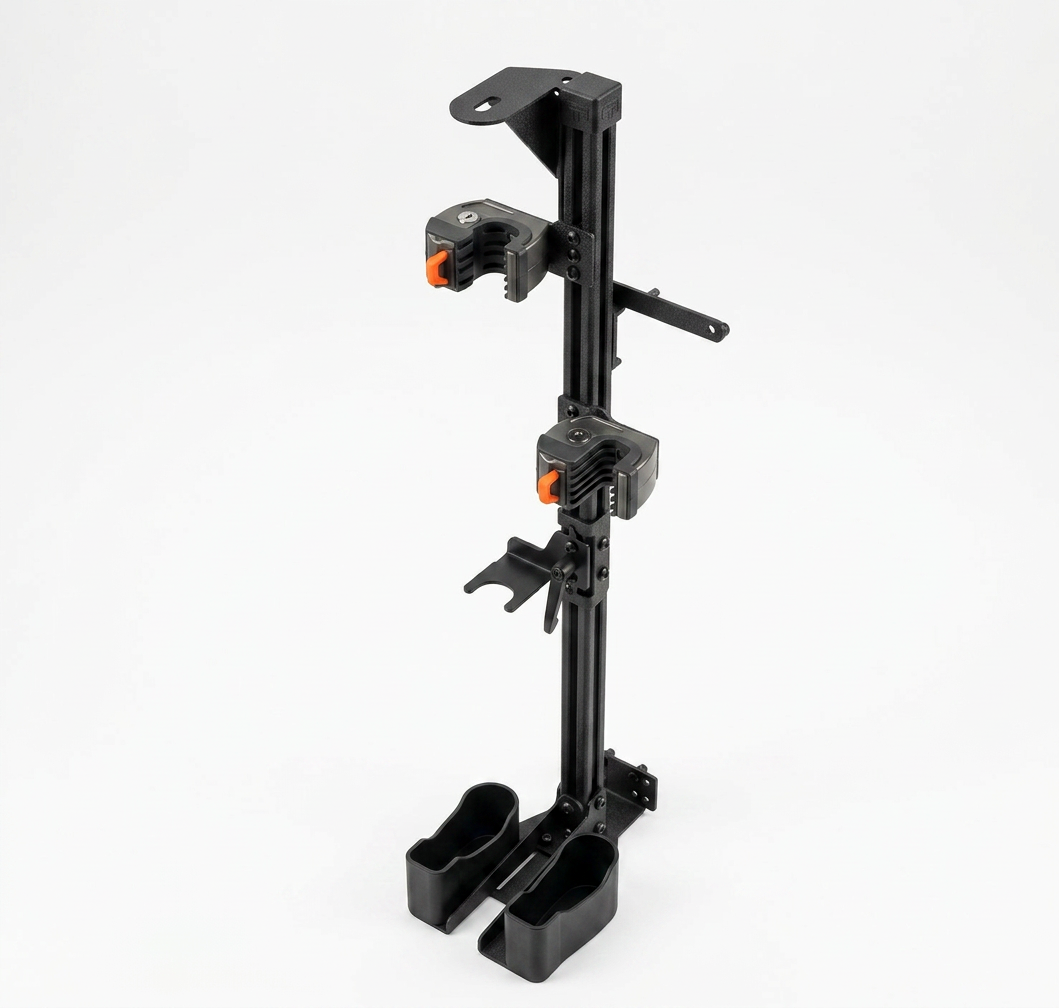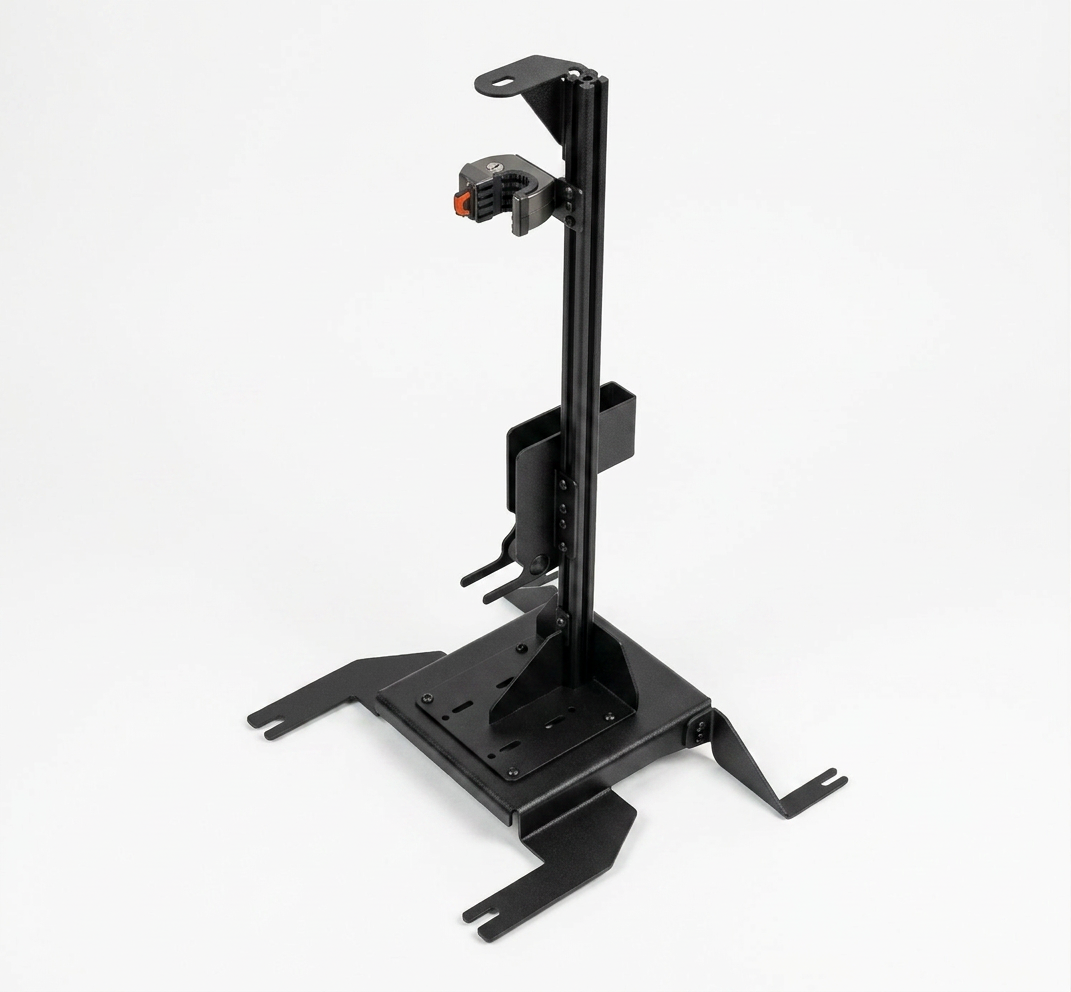
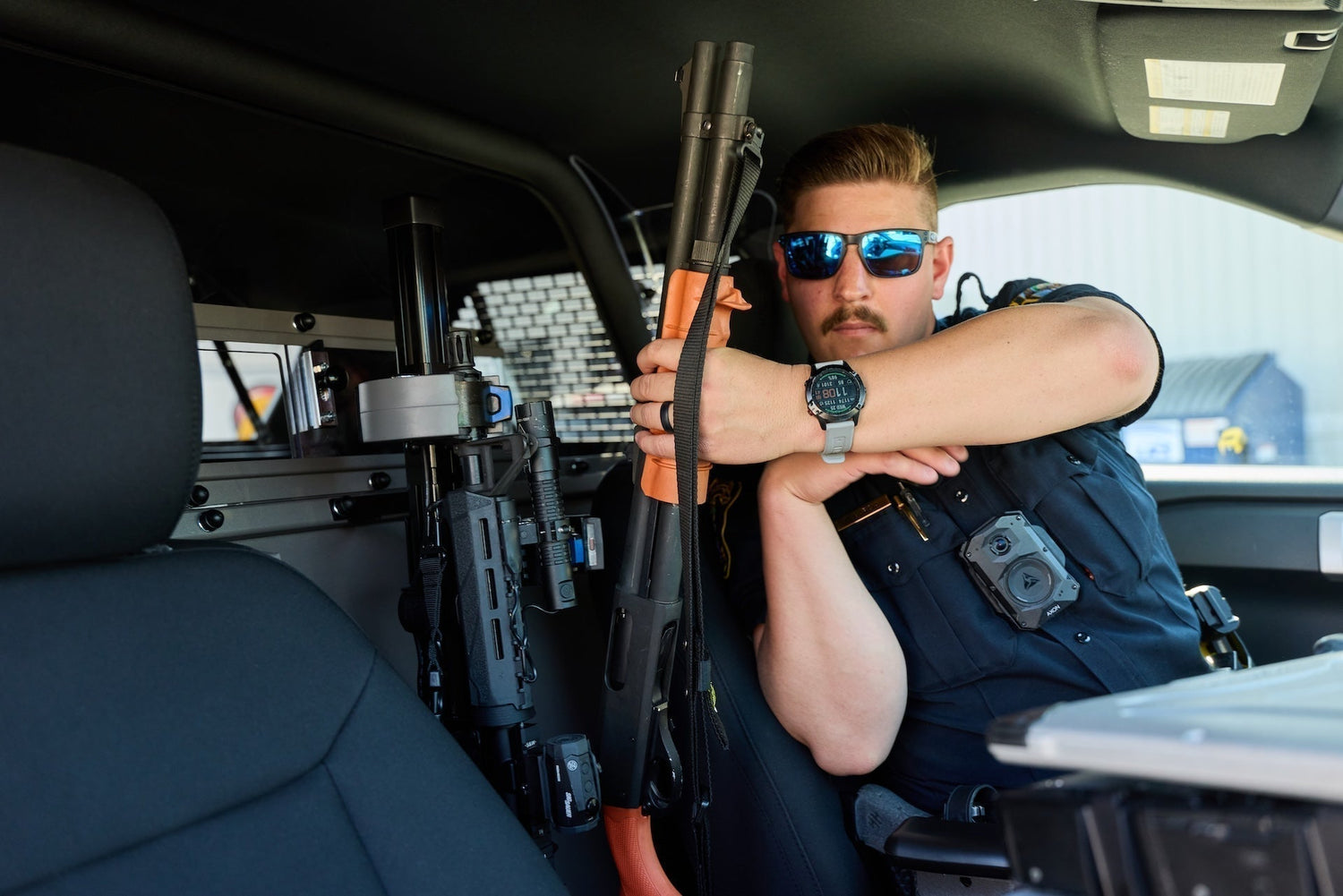
At 3 a.m. on Aug. 3, 2022, a patrol vehicle sat alone in the dark.
A perpetrator broke in, shattered the back glass, and went straight for the AR-15 locked in the gun rack. He fired twice into the lock with a 9 mm, trying to force it open.
The firearm did not move.
The Tenhold “gun locks will keep your weapons safe,” said Trey French, director of fleet operations for the Mississippi Highway Patrol. “Even after two shots from a 9 mm, the firearm didn’t budge.”
By the time the trooper returned, the suspect had already fled. The weapon was still secured.
That is not luck. That is engineering.

When Seconds Matter
There is no margin for error in a patrol vehicle.
According to the FBI’s Law Enforcement Officers Killed and Assaulted (LEOKA) reports, incidents escalate quickly, and control of a weapon can shift the outcome.
Inside the vehicle, small failures turn into real risk.
- A firearm shifts out of position
- It becomes accessible to the wrong person
- It slows the officer down when timing matters
Equipment should remove those variables, not introduce them.
Built for What Officers Actually Carry
Weapon setups have evolved. Suppressors are now common across patrol and specialized units, but most retention systems were not designed for them.
That gap shows up quickly.
- Poor fit
- Incomplete retention
- Workarounds that create new risks
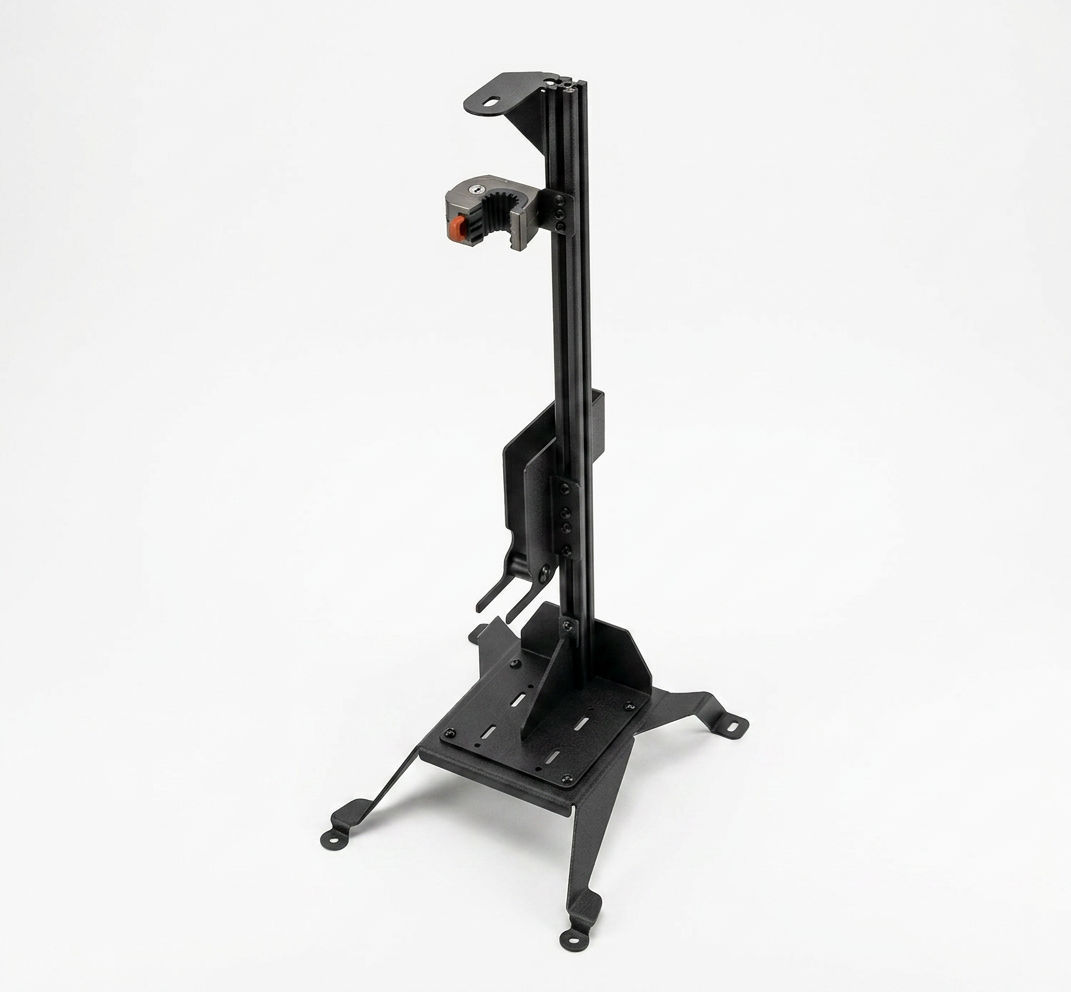
Tenhold lock heads close that gap by securing the full weapon through Zinc Retention Technology (ZRT).
Now with the Suppressor Lock Head available for Tenhold's variety of gun racks, officers will be able to secure their suppressor-enabled weapons:
- Retains up to 1.65-inch diameter, including suppressors
- Suppressor plate prevents removal while secured
- Protection against physical attack and simple electrical bypass
- Works with existing ZRT systems
It reflects how officers are actually equipped today.
According to the Bureau of Labor Statistics occupational data for police and detectives, law enforcement remains one of the more hazardous professions in the United States.
Officers already manage enough risk.
Their equipment should reduce it.
Retention systems are not measured by routine use. They are measured by how they respond when someone tries to defeat them.
That means designing for:
- Forced entry
- Impact
- Tampering
Internally, systems are built to resist both physical and electrical attacks while still allowing quick access when needed.
Built to Hold
There should be no compromises when it comes to security.
Two shots. No movement. Weapon secure.
That ought to be the standard.
We hold the line on engineering so that public safety officers can hold the line in the field.